
AI negotiation training
Negotiation training through AI role-play.
Practise the conversations that go wrong under pressure: a barricaded subject, a ransomware operator, a caller on a bridge. AI counterparts push back by voice or in chat, and every run is scored against the standard you train to.
Explore the workspace demo, no sign-upSubject0:04
You people have no idea what this is like. None.
You0:11
It sounds like you feel completely alone in this right now.
Emotional label · Empathy
Subject0:19
…yeah. Nobody's even tried to get it.
You0:24
Nobody's even tried.
Mirror · Rapport
Subject0:31
My sister used to. Before all this.
You0:38
Tell me about your sister.
Open-ended question · Rapport
Stairway
- Active listening
- Empathy
- Rapport
- Influence
- Behavioral change
Who it's for
Pick your training.

Crisis negotiation
Voice drills against AI subjects who escalate and go quiet, scored on the BCSM or your own standard.
Explore
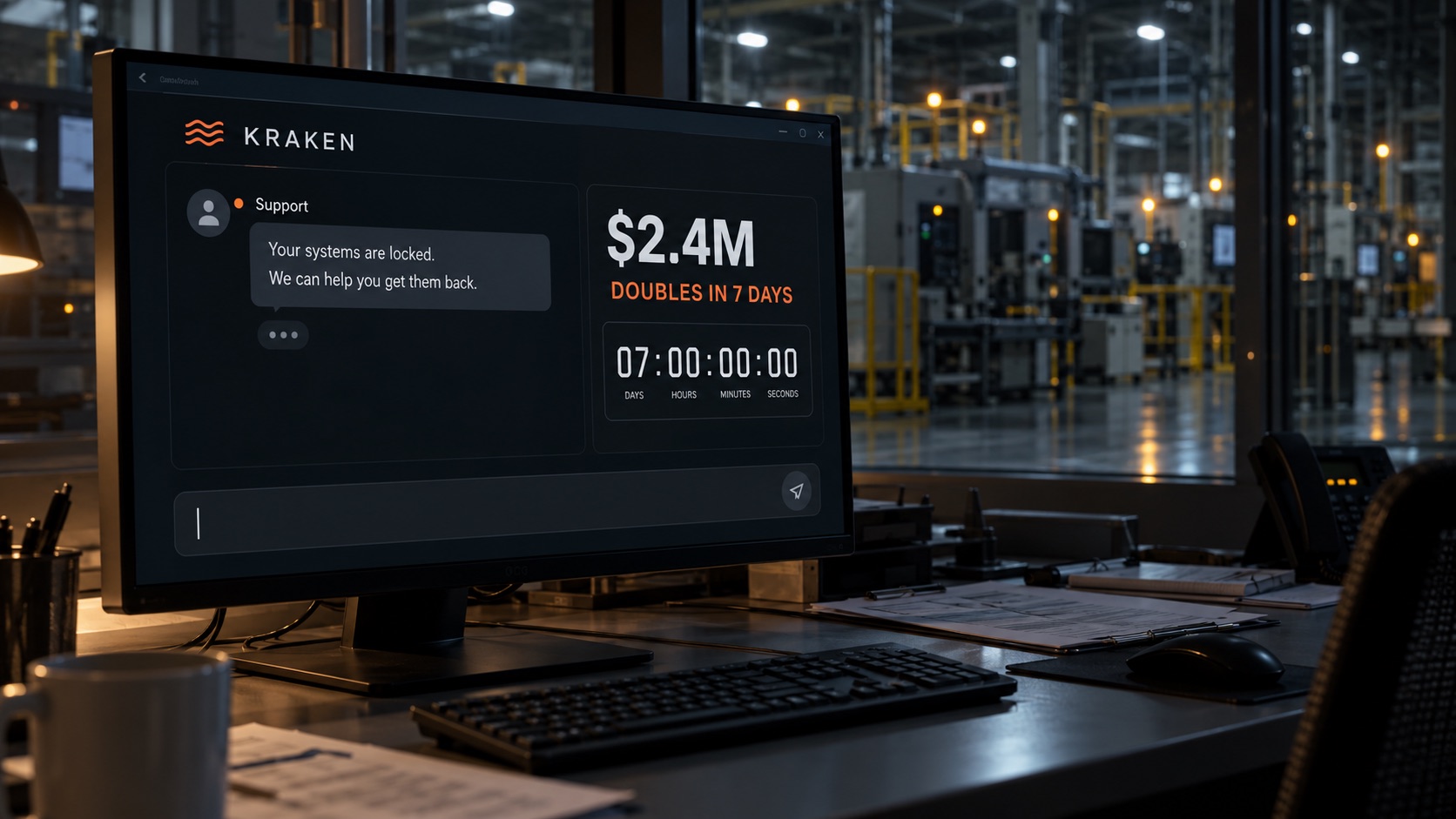
Ransomware negotiation
Leak-site chats against AI threat actors, graded on the client's mandate and your playbook.
Explore
Police departments
Assign drills to your team, review every run and keep training records for command staff.
Explore
Universities
Practice exercises with instructor review for psychology, law and criminal justice programs.
Explore
The platform
- By voice or in chat
- Counterparts talk back out loud, or type like an operator in a leak-site portal — whichever the real conversation uses.
- A coach who read the run
- Ask Emery about any moment of a conversation. She quotes the line and its time, and says what to try instead.
- An instructor view
- Assign scenarios, review each run and send feedback. Every run stays on record.
- Share one run
- Send a coach or instructor a read-only link to one conversation, and revoke it when you are done.
01 — Scenarios
Start from a scenario that already pushes back.
Crisis calls, ransomware chats and hard workplace conversations, each with a person on the other side, a brief and the standard it is scored on. Pick one and start: by voice or in chat, whichever the real conversation uses.
- Crisis, ransomware and business scenarios
- Voice calls and text chats, 10 to 25 minutes
- Your best score and runs on every card





02 — Your materials
Turn your SOP into scenarios.
Add the protocols, playbooks and checklists your team trains to. Pick up to five, and EmpatiQ writes scenarios from them — scored against the same documents, so practice follows your standard, not a generic one.
- PDF, Word, Markdown or plain text
- Scenarios built from up to five documents
- Every run scored against them
03 — Debrief
Know what worked, criterion by criterion.
Every run ends with a score, where the conversation ended, and a line on each criterion of the standard. Practise again straight away, or talk the run through with Emery, the AI coach who has read it.
- A score and where the talks ended
- Every criterion scored, with a reason
- Discuss any moment with Emery
04 — Reviews
Review the real conversations.
Upload a training call, or paste a transcript such as a chat log. Every voice is kept apart, and you can score the conversation against any scenario — the same debrief as after a drill.
- Audio, video or a pasted transcript
- Every voice apart, named by you
- Scored against any scenario
05 — Progress
See the practice add up.
Scores over time, for drills and real conversations, and how closely you follow the standards in your documents. Print it or save it as a report when someone asks.
- Every scored conversation, oldest to newest
- Drills and real conversations side by side
- A report you can print or save